Tests & Services
Test Item
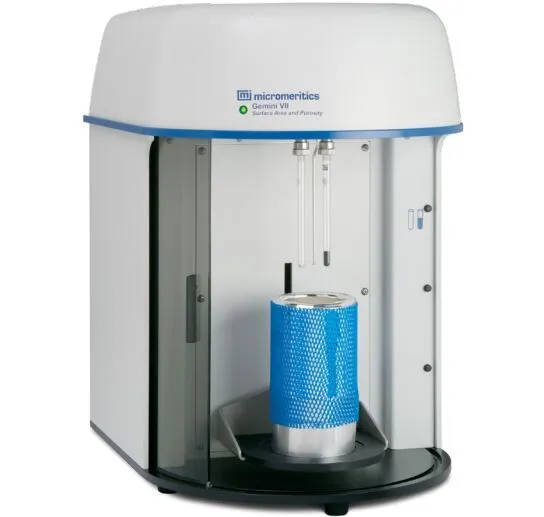
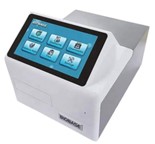
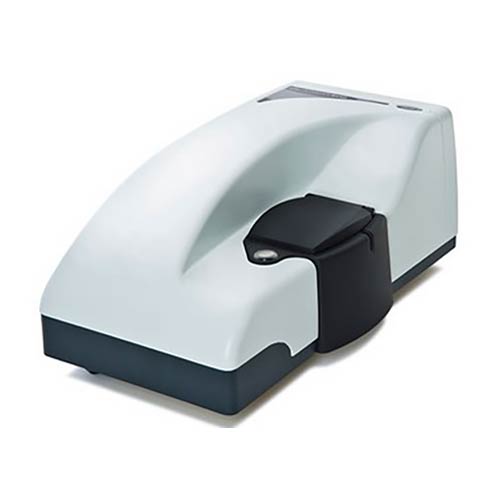
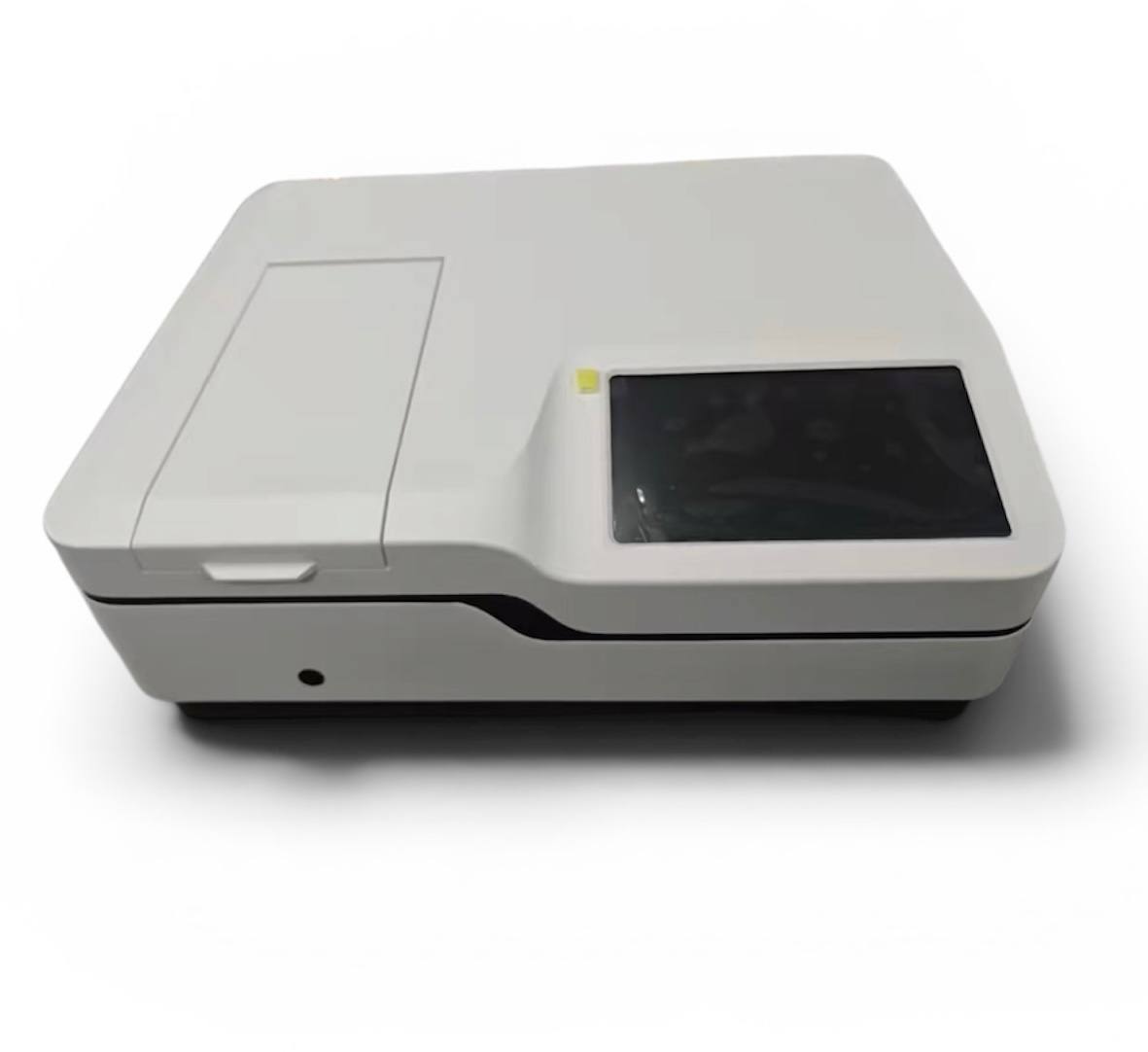
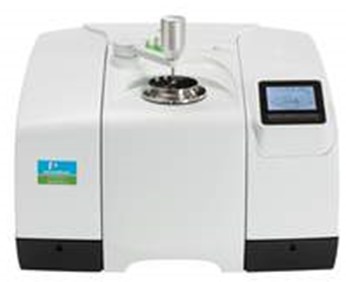
BET/BJH Micromeritics MicroActive for TriStar II Plus Microtrac Bel Cor BElSORP Mini
65000.00 IQDBET Surface Area Analysis
The BET (Brunauer-Emmett-Teller) method is the standard technique for measuring the specific surface area of solid materials, particularly powders and porous nanomaterials. Surface area is a critical parameter affecting catalytic activity, adsorption capacity, and drug loading efficiency [1].
Key Applications in Nanomaterials Research:
- Determining the surface area of catalysts, adsorbents, and battery materials.
- Characterizing porous nanomaterials (e.g., MOFs, mesoporous silica, zeolites).
- Assessing the quality and batch-to-batch consistency of nanomaterials.
- Correlating surface area with performance in drug delivery and environmental remediation.
2. Principle of Operation (Simplified)
- Step 1 (Degassing): Your sample is heated under vacuum or flowing gas to remove adsorbed moisture and contaminants from the surface.
- Step 2 (Gas Adsorption): An inert gas (typically nitrogen, N₂) at a very low temperature (liquid nitrogen, -196°C) is exposed to the sample.
- Step 3 (Isotherm): As the gas pressure increases, a layer of gas molecules adsorbs onto the surface of the sample. The instrument measures the volume of gas adsorbed at different pressures, generating an adsorption isotherm.
- Step 4 (Calculation): The BET equation is applied to the isotherm data to calculate the specific surface area (m²/g) [2].
3. Information You Will Receive in Your Report
- Specific Surface Area (m²/g): The total surface area per gram of your sample.
- BET Plot: A linear plot of the BET equation used to calculate the surface area.
- Adsorption-Desorption Isotherm: A graph of gas volume adsorbed versus relative pressure, providing information about pore structure.
- Pore Volume and Pore Size (Optional): Pore volume (cm³/g) and average pore diameter (nm) can be calculated from the isotherm (add-on service).
4. Sample Preparation Guide
- Step 1: Use a dry, solid powder sample.
- Step 2: The sample must be degassed to remove moisture and contaminants. This is performed automatically in the instrument before analysis.
- Step 3: A sample mass of 100-300 mg is typically required for accurate measurement.
Important Notes:
- The sample must be compatible with high vacuum and low temperatures (-196°C).
- Avoid samples that may outgas or decompose under vacuum.
5. Understanding Your Results (Guide to Interpretation)
- High Surface Area (e.g., > 100 m²/g): Indicates a highly porous material or very small particle size. Desirable for catalysts, adsorbents, and drug carriers.
- Low Surface Area (e.g., < 10 m²/g): Indicates non-porous or dense materials with larger particle sizes.
- Particle Size Estimation (for spherical, non-porous particles): An approximate particle size can be calculated from the BET surface area using the equation:
 , where ρ is the theoretical density.
Example:
- A material with a surface area of 50 m²/g and a density of 3 g/cm³ would have an approximate particle size of 40 nm.
6. Frequently Asked Questions (FAQ)
- What is the difference between BET and particle size analysis (DLS)? BET measures the total surface area of all particles, including internal pores. DLS measures the hydrodynamic diameter of individual particles in suspension. For porous materials, BET gives much larger values.
- How much sample do you need? 100-300 mg of dry powder.
- Can you analyze porous materials? Yes, we offer complete pore size and pore volume analysis (BJH method) as an add-on service.
- How long will the analysis take? 2-5 days from sample receipt, including degassing time.
- Is the analysis destructive? No, the sample can be recovered after analysis.
7. References
- [1] Brunauer, S., Emmett, P. H., & Teller, E. (1938). Adsorption of gases in multimolecular layers. Journal of the American Chemical Society, 60(2), 309-319.
- [2] Lowell, S., et al. (2004). Characterization of Porous Solids and Powders: Surface Area, Pore Size and Density. Springer.
- Internal Source: Phi Nanoscience Center (PNSC) offers BET surface area analysis with a focus on nanomaterials research.
8. Request This Test
To request BET Surface Area Analysis or any of our other services, please complete the Sample Testing Request Form.
No reviews yet. Be the first to share your experience.