Test Item
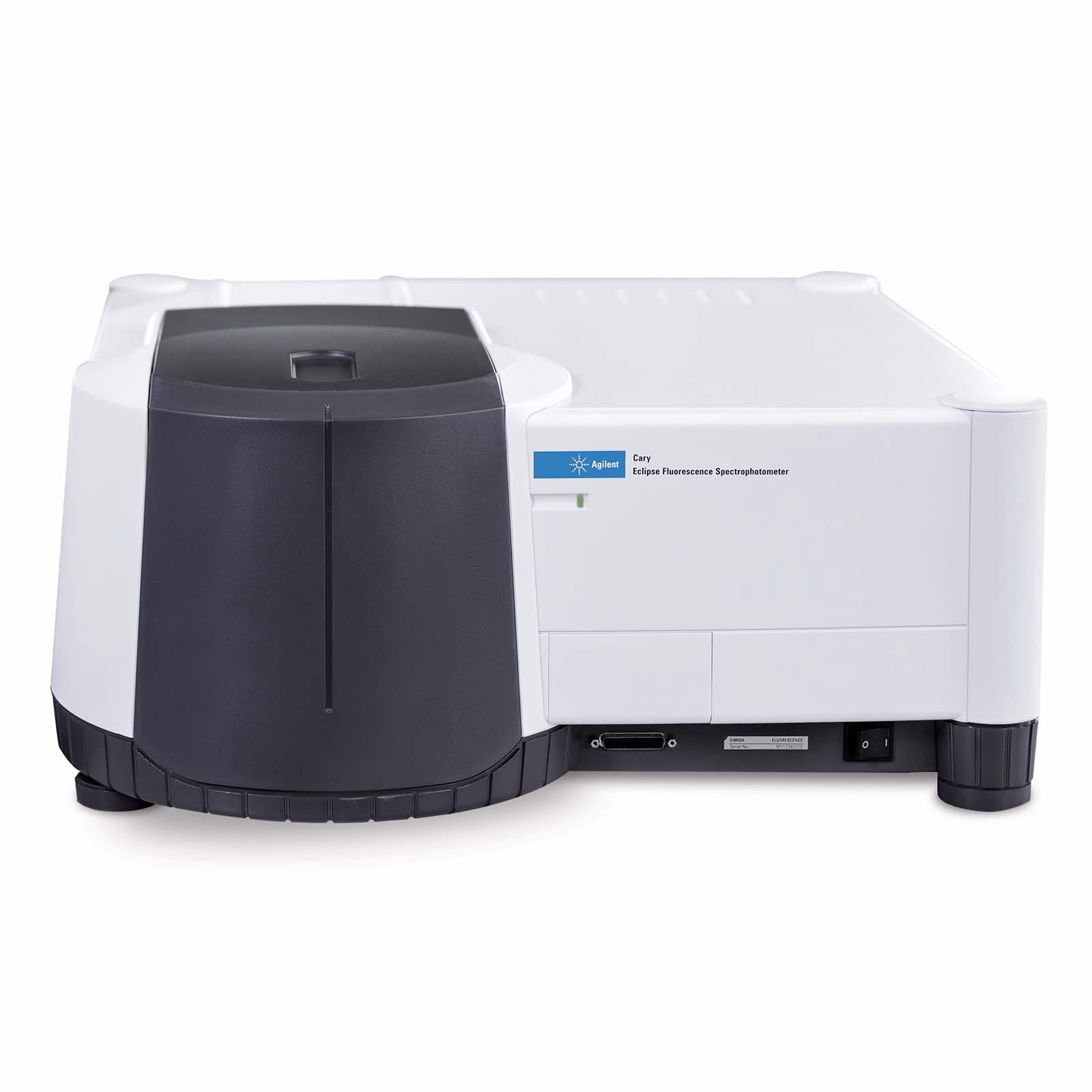
Photoluminescence (PL) Spectroscopy
Photoluminescence (PL) spectroscopy is a powerful, non-destructive technique used to study the optical and electronic properties of materials. When a material absorbs light (photons), electrons are excited to higher energy levels. As these electrons return to their ground state, they emit light. This emitted light is called photoluminescence [1].
PL is essential for characterizing semiconductors, quantum dots, and fluorescent nanomaterials. It provides information about band gap energy, defect states, and material quality [2].
Key Applications in Nanomaterials Research:
- Determining the band gap of semiconductor nanoparticles (e.g., ZnO, CdSe, perovskites).
- Studying defects and surface states in nanomaterials.
- Evaluating the quality and purity of quantum dots.
- Investigating electron-hole recombination dynamics.
- Characterizing fluorescent probes and markers for bioimaging.
2. Principle of Operation (Simplified)
- Step 1 (Excitation): A laser or high-intensity lamp shines light at a specific wavelength onto your sample.
- Step 2 (Absorption): The sample absorbs the light, and electrons are excited from the valence band to the conduction band.
- Step 3 (Emission): As the electrons return to their original energy level, they emit light (photons) of a longer wavelength (lower energy) than the excitation light.
- Step 4 (Detection): A detector captures the emitted light and generates a PL spectrum (intensity vs. wavelength). The position and shape of the emission peak reveal key electronic properties [2].
3. Information You Will Receive in Your Report
- PL Spectrum: A plot of emission intensity versus wavelength (nm) or energy (eV).
- Emission Peak Position (λmax): The wavelength of maximum emission intensity.
- Band Gap Energy (E_g): Calculated from the emission peak (for direct band gap semiconductors).
- Full Width at Half Maximum (FWHM): The width of the emission peak, indicating sample homogeneity and defect density.
- Relative Quantum Yield (if requested): A measure of emission efficiency.
4. Sample Preparation Guide
Proper sample preparation is critical for accurate PL measurements.
Sample Type
Preparation Method
Powder / Solid
Place the powder in a solid sample holder. Ensure a smooth, flat surface.
Liquid / Colloidal Suspension
Transfer 2-3 mL of the suspension into a clean quartz cuvette.
Thin Film
Mount the film on a suitable substrate (e.g., glass slide) and place it in the sample holder.
Important Notes:
- Use quartz cuvettes for liquid samples (plastic absorbs UV light).
- Ensure the sample is homogeneous and free of air bubbles.
- The sample concentration should be optimized to avoid reabsorption (inner filter effect).
5. Understanding Your Results (Guide to Interpretation)
- Emission Peak Position (λmax): Determines the color of emitted light (e.g., UV, blue, green, red) and the band gap energy. For semiconductors, a smaller band gap (longer wavelength) is often desirable for visible-light photocatalysis.
- Peak Shape and FWHM: A narrow, symmetric peak indicates a homogeneous sample with few defects. A broad or asymmetric peak suggests multiple emission centers, defects, or a wide size distribution (for quantum dots).
- Defect-Related Emission: Additional peaks at longer wavelengths (lower energy) often originate from defect states (e.g., oxygen vacancies in ZnO, surface traps in quantum dots).
- Band Gap Calculation: For direct band gap semiconductors, the band gap (E_g) can be estimated from the emission peak:
 .
.
6. Frequently Asked Questions (FAQ)
- What is the difference between PL and UV-Vis? UV-Vis measures absorption of light. PL measures emission of light after absorption. PL is more specific and sensitive to emissive species.
- What is the difference between PL and Raman? PL is a multi-photon process (absorption then emission). Raman is a single-photon scattering process. They provide different information.
- How much sample do you need? 10-20 mg of powder or 2-3 mL of liquid suspension.
- Can you measure quantum yield (QY)? Yes, we offer relative and absolute quantum yield measurements as an add-on service. Please contact us for details.
- How long will the analysis take? 24-48 hours from sample receipt.
7. References
- [1] Lakowicz, J. R. (2006). Principles of Fluorescence Spectroscopy (3rd ed.). Springer.
- [2] Valeur, B., & Berberan-Santos, M. N. (2012). Molecular Fluorescence: Principles and Applications (2nd ed.). Wiley-VCH.
- Internal Source: Phi Nanoscience Center (PNSC) has extensive experience in PL spectroscopy for characterizing semiconductor nanomaterials.
8. Request This Test
To request PL analysis or any of our other services, please complete the Sample Testing Request Form.