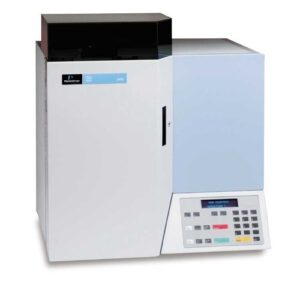
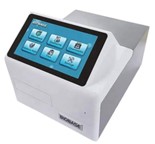
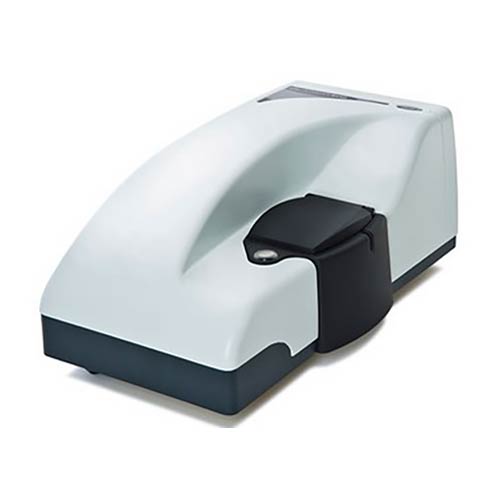
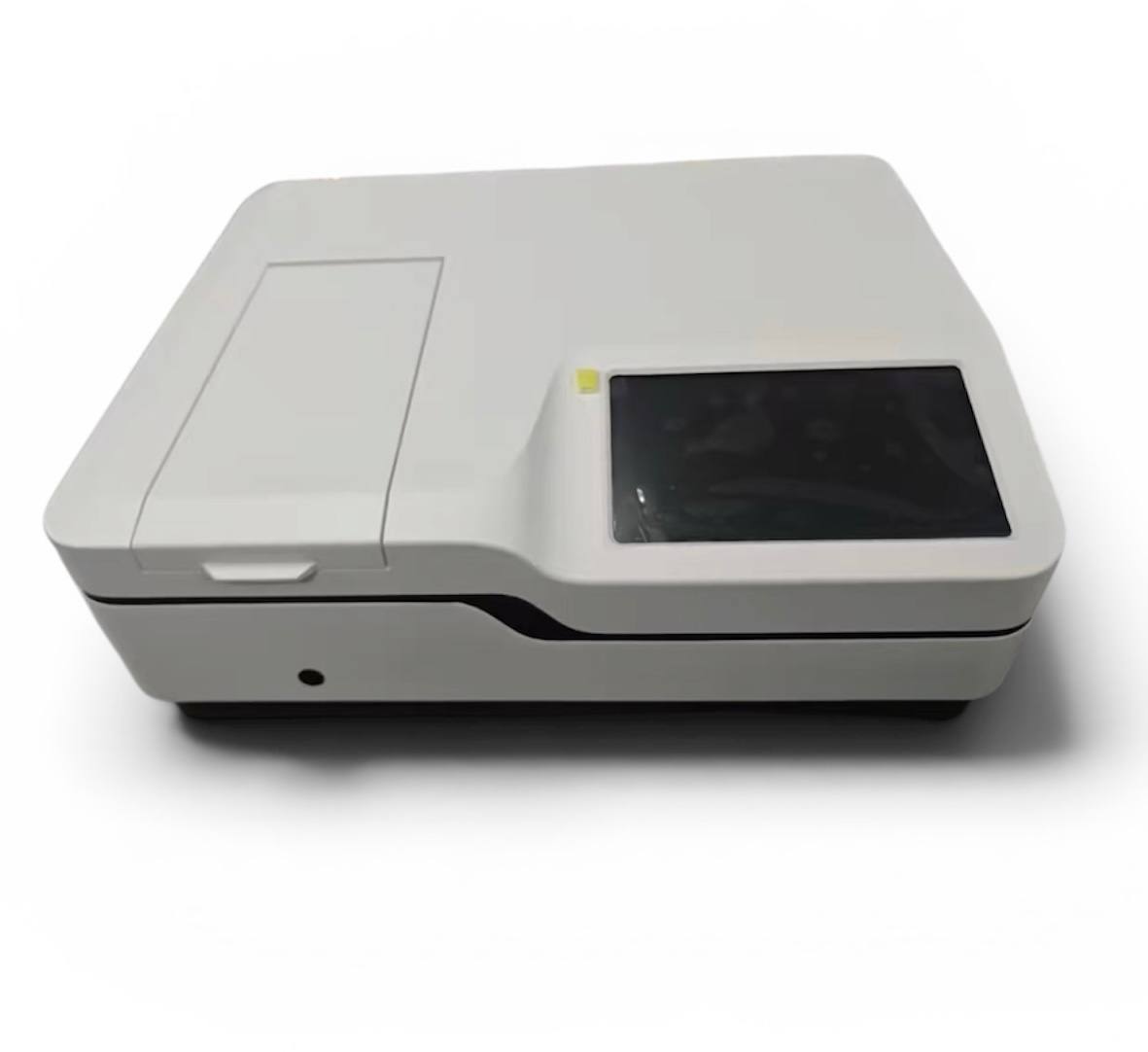
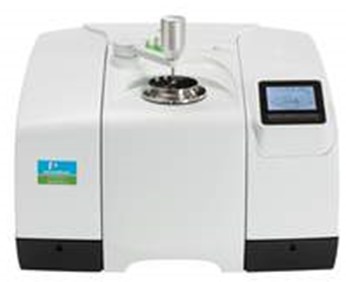
CHNS/O Elemental Analysis
Phi Nanoscience Center (PNSC)
1. What is CHNS/O Elemental Analysis?
CHNS/O elemental analysis is a technique used to determine the percentage by mass of Carbon (C), Hydrogen (H), Nitrogen (N), Sulfur (S), and Oxygen (O) in a solid or liquid organic sample. It is widely used for characterizing organic compounds, polymers, pharmaceuticals, and nanomaterials [1].
Key Applications in Nanomaterials Research:
- Determining the purity and composition of organic nanomaterials.
- Quantifying the organic content (e.g., stabilizers, surfactants) in inorganic nanoparticles (e.g., % PVP in AgNPs).
- Verifying the stoichiometry of synthesized organic compounds.
- Quality control for raw materials and finished products.
2. Principle of Operation (Flash Combustion Method)
- Step 1 (Combustion): A small sample (1-5 mg) is weighed into a tin or silver capsule and dropped into a high-temperature combustion reactor (950-1050°C) in the presence of oxygen.
- Step 2 (Oxidation): The sample is completely combusted. Carbon is converted to CO₂, Hydrogen to H₂O, Nitrogen to N₂ and NOₓ, and Sulfur to SO₂.
- Step 3 (Reduction): The combustion gases pass over a reduction reactor (copper, ~600°C) to convert NOₓ to N₂.
- Step 4 (Separation): The gases (CO₂, H₂O, N₂, SO₂) are separated by gas chromatography.
- Step 5 (Detection): A thermal conductivity detector (TCD) measures the amount of each gas. The mass of each element is calculated, and the results are reported as weight percentages [2].
3. Information You Will Receive in Your Report
Information
How It Benefits Your Research
Carbon (C) wt%
Percentage of carbon in the sample.
Hydrogen (H) wt%
Percentage of hydrogen in the sample.
Nitrogen (N) wt%
Percentage of nitrogen in the sample.
Sulfur (S) wt%
Percentage of sulfur in the sample.
Oxygen (O) wt%
Percentage of oxygen (calculated by difference or direct measurement).
Empirical Formula (Optional)
The simplest whole-number ratio of elements in the compound.
4. Sample Preparation Guide
Sample Type
Preparation Method
Important Notes
Solid Powder
Weigh 1-5 mg of dry, homogeneous powder into a tin capsule. Fold the capsule tightly.
The sample must be completely dry (moisture interferes with H₂O measurement).
Liquid
Weigh 1-5 mg into a tin capsule, seal tightly. For volatile liquids, use a sealed capsule.
Ensure the capsule is completely sealed to prevent evaporation.
Nanoparticles with Organic Coating
Weigh the dried nanoparticle powder directly.
The result will give total C, H, N, S from the organic coating plus any contaminants.
Important Notes:
- The sample must be completely volatile and combust completely.
- Non-volatile inorganic residues (e.g., metals, salts) will not be measured but may affect combustion.
5. Understanding Your Results (Guide to Interpretation)
- High C, H, N, S Content: Indicates a high proportion of organic material.
- Low C, H, N, S Content (with high residue): Indicates a high proportion of inorganic material (e.g., metals, oxides, salts).
- Matching Expected Composition: For a synthesized organic compound (e.g., C₁₀H₁₄N₂), the measured values should be within ±0.3-0.5% of the theoretical values.
- Nanoparticle Applications: For a PVP-coated AgNP sample, the C, H, N content corresponds to the amount of PVP coating. A high C, H, N content indicates a thick coating; a low content indicates a thin coating.
6. Frequently Asked Questions (FAQ)
Question
Answer
How much sample do you need?
1-5 mg of dry, homogeneous powder or liquid.
What is the detection limit?
Typically 0.1-0.3 wt% for each element.
What elements can you detect?
C, H, N, S, and O (O is often calculated by difference). Cannot detect metals, halogens (Cl, Br, I), or P.
Why is my recovery < 100%?
The difference from 100% is typically oxygen (calculated by difference) or inorganic residue (ash) that was not combusted.
7. References
- [1] Pella, E., & Colombo, B. (1973). Study of carbon, hydrogen, and nitrogen determination by combustion-gas chromatography. Microchimica Acta, 61(5), 697-719.
- [2] Thermo Scientific. (2021). FlashSmart Elemental Analyzer User Manual.
8. Request This Test
To request CHNS/O Elemental Analysis or any of our other services, please complete the Sample Testing Request Form.