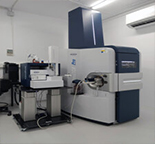
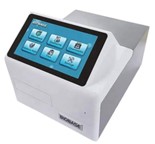
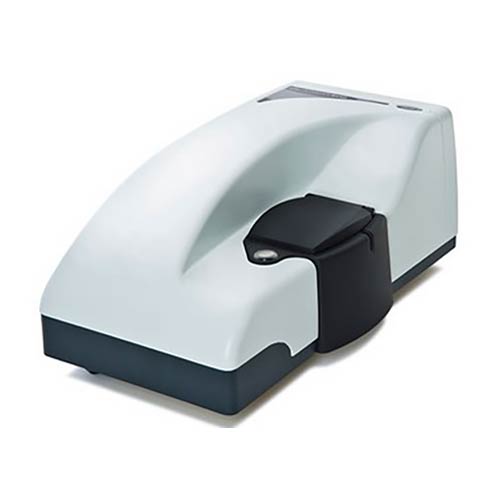
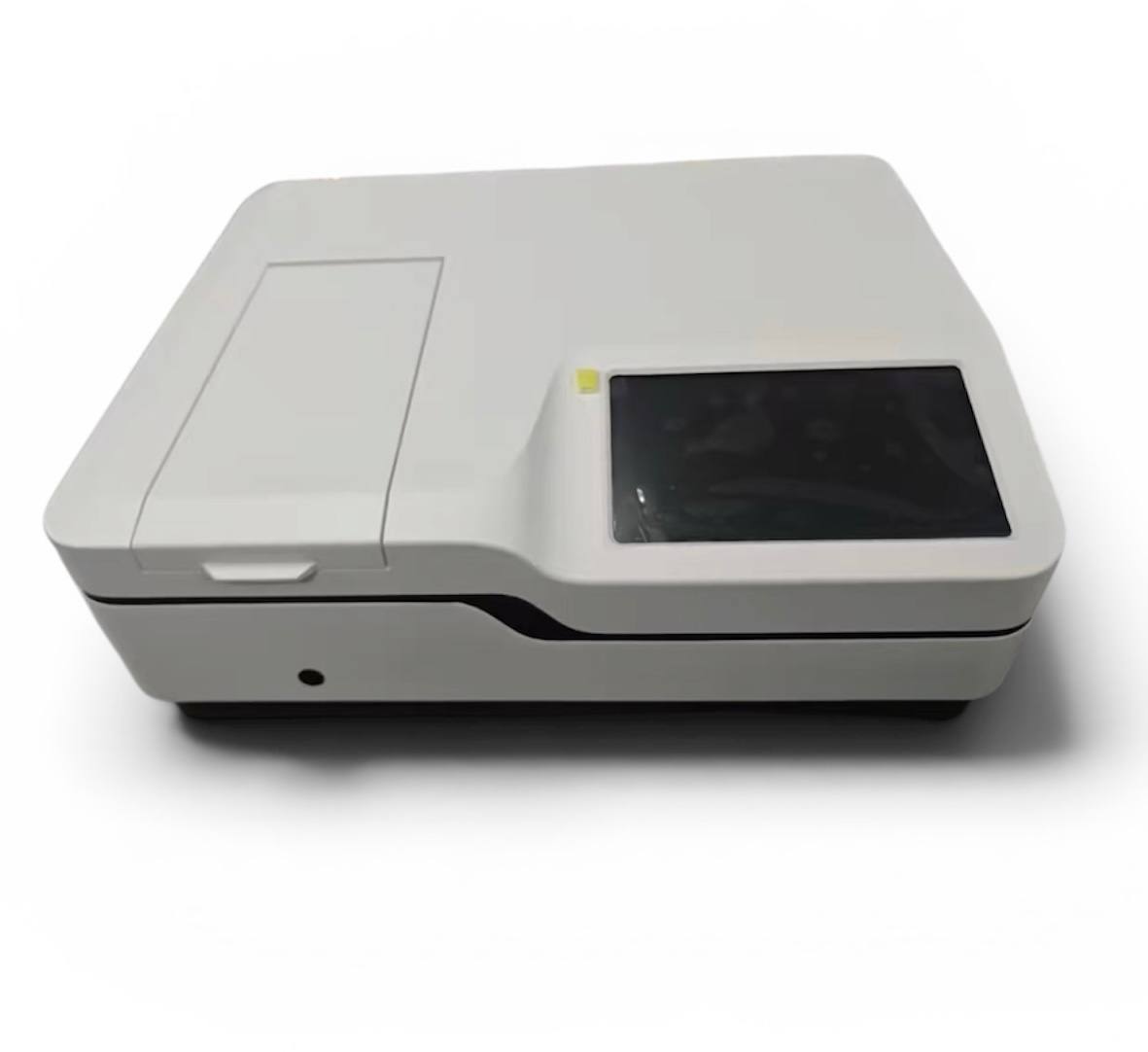
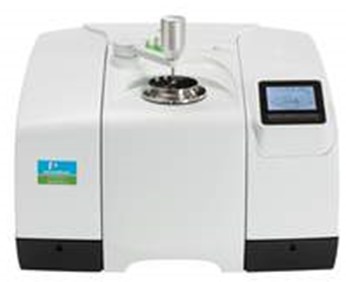
LC-Mass Spectrometry (LC-MS)
1. Introduction
Liquid Chromatography-Mass Spectrometry (LC-MS) is a powerful analytical technique that combines the physical separation capabilities of liquid chromatography with the mass analysis capabilities of mass spectrometry. It is widely used in pharmaceutical, environmental, food, and clinical laboratories for its high sensitivity, selectivity, and ability to identify compounds based on their mass-to-charge ratio.
Key Applications in Pharmaceutical and Nanomaterials Research:
- Identifying and confirming the molecular identity of drug compounds and active pharmaceutical ingredients (APIs).
- Quantifying trace-level analytes and metabolites in complex biological matrices.
- Characterizing surface ligands, coatings, and functional groups attached to nanoparticles.
- Detecting and identifying unknown impurities or degradation products.
- Confirming molecular weight and structural elucidation of organic compounds.
2. Principle of Operation (Simplified)
A liquid sample is first separated by liquid chromatography, where components travel through a column and elute at different retention times based on their interaction with the stationary phase. As each separated component exits the column, it enters the mass spectrometer's ion source, where it is ionized (commonly via electrospray ionization, ESI). The resulting ions are then separated according to their mass-to-charge ratio (m/z) by the mass analyzer, and a detector records the abundance of each ion. The combined output provides both a retention time and a mass spectrum for each compound, allowing simultaneous separation and identification.
3. Information You Will Receive in Your Report
- Total Ion Chromatogram (TIC): A plot showing the total ion signal over time, indicating when each compound elutes.
- Extracted Ion Chromatogram (EIC): A chromatogram showing the signal of a specific m/z value, used to selectively track a target compound.
- Mass Spectrum: A plot of ion abundance versus m/z for a given peak, used to determine molecular weight and fragmentation pattern.
- Retention Time (tR): The elution time of each detected compound.
- Molecular Weight/Formula Confirmation: Calculated from the precursor ion mass.
- Quantification Results: Concentration of target analytes based on calibration curves, where applicable.
4. Sample Preparation Guide
Proper sample preparation is critical for accurate and reproducible LC-MS results.
- Step 1: Prepare your sample in a suitable mobile phase-compatible solvent (e.g., water, methanol, acetonitrile), free of non-volatile salts or buffers.
- Step 2: Filter your sample solution through a 0.45 µm or 0.22 µm syringe filter to remove particulate matter and protect the column and instrument.
- Step 3: Transfer at least 1-2 mL of the filtered solution into an autosampler vial.
- Step 4: Clearly label the vial with your sample name or code.
Important Notes:
- Ensure your sample is completely dissolved and the solution is clear.
- Avoid non-volatile buffers, high salt concentrations, or detergents, as they interfere with ionization and can contaminate the mass spectrometer.
- If your sample is not soluble in the mobile phase, consult us for alternative method development.
5. Understanding Your Results (Guide to Interpretation)
- Retention Time (tR): Used alongside mass data to confirm compound identity by comparison to reference standards.
- m/z Value: The mass-to-charge ratio of the detected ion, used to determine the molecular weight of the compound (accounting for the charge state and adduct type, e.g., [M+H]⁺).
- Fragmentation Pattern: In tandem MS/MS analysis, characteristic fragment ions help confirm structural identity.
- Peak Intensity/Area: Proportional to analyte concentration, used for quantification when calibration standards are available.
- Isotope Pattern: Can provide information on elemental composition and the presence of certain elements.
6. Frequently Asked Questions (FAQ)
- How much sample do you need? At least 1-2 mL of a filtered solution at a suitable concentration (typically 0.1 – 1.0 mg/mL, though lower concentrations may be sufficient given the high sensitivity of MS detection). Contact us for guidance on your specific compound.
- What type of solvent should I use? Use LC-MS-grade water, methanol, acetonitrile, or other volatile, high-purity solvents. Avoid non-volatile salts, strong acids/bases, or surfactants without prior consultation.
- Do I need to provide a reference standard? For quantitative analysis or unambiguous identification, yes. We can also assist in sourcing standards.
- How long will the analysis take? 48-72 hours from sample receipt, depending on the complexity of the method.
- Can you develop a new method for my sample? Yes, we offer method development as a separate service. Please contact us to discuss your specific needs.
7. References
- [1] Snyder, L. R., Kirkland, J. J., & Dolan, J. W. (2010). Introduction to Modern Liquid Chromatography (3rd ed.). John Wiley & Sons.
- [2] Ardrey, R. E. (2003). Liquid Chromatography-Mass Spectrometry: An Introduction. John Wiley & Sons.
- Internal Source: Phi Nanoscience Center (PNSC) has extensive experience in LC-MS method development and validation for pharmaceutical and nanomaterial applications, as demonstrated in our published research (e.g., PNSC internal data and team publications).
8. Request This Test
To request LC-MS analysis or any of our other services, please complete the Sample Testing Request Form using the link below. We will contact you within 24 hours.
No reviews yet. Be the first to share your experience.